

The biggest thing is that I finally found a way to get highs in seminars.
I found out that points are easier to become highs when:
- The connect to other points
- They evaluate anything
- Comparisons.
First point is easy, but second is hard because it’s really hard to say:”I think …‘s point is good because…”
Instead what’s easier to say is, just add the evaluation after your point for example:
”…. I think my proposal is optimal because….”
or
”I agree with … his / her point is good because…”
But even better, you can make some evaluation that opens up discussion. For example:
” <insert point here>… I think my proposal is optimal because… but it might still have room for improvement as in … it still doesn’t fully address, his / her point can help my point because …”
or
”I agree with… <insert point on here> his / her point is good because… but it can still be improved as in … it still doesn’t fully, I think we can modify …, I think my proposal is good because …”
If in your evaluation, you also compared your point to other points, without just relying on absolute criteria, its going to be even more better(“its performs better than…” instead of “It performs well at…”)
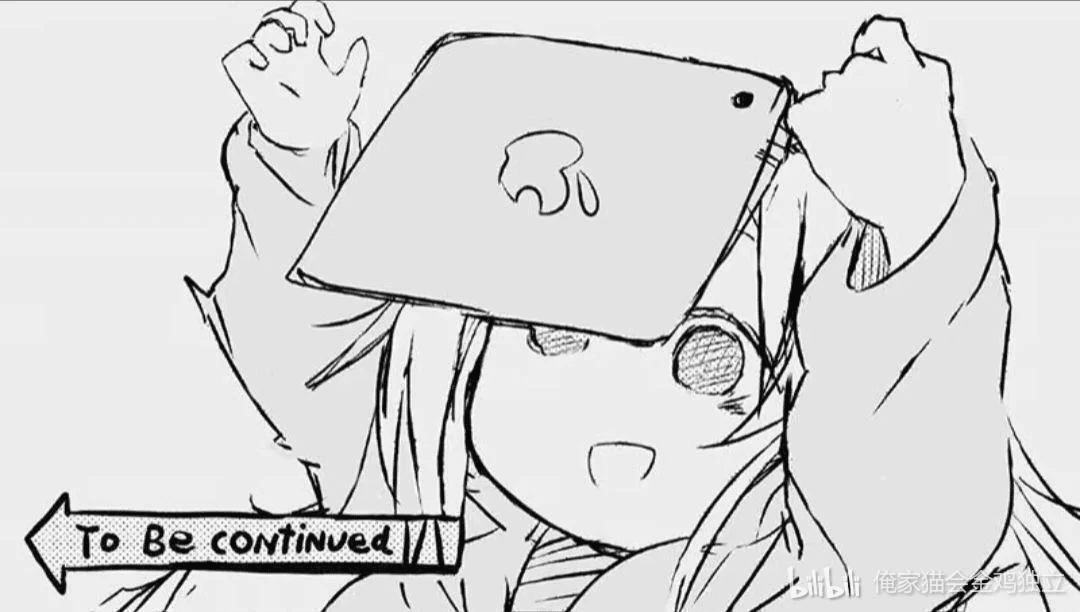
I’m curious, why is the ‘To be continued’ arrow pointing to the left?
Um because the original artist drew it that way… Also most “to be continued” memes have the arrow pointing to the left.
Not in English….I guess it is Japanese. They read from right to left in Japan. There’s a graphic novel in the school library that is an English translation of the original Japanese and it’s published in the original right to left, so backwards in English. It is feels very unnatural to read and I had to concentrate to move the correct way through the text.
Actually the original meme was English, its not because of Japanese right to left
Yes, we’re getting closer and closer to the breakthrough ‘aha’ moment 😀
A useful way to think of this is that you are co-constructing ideas.
There’s a technical word ‘intertextuality’ which is often explained in terms of a weaving metaphor – threads of language carrying an idea through different texts and time. These threads can be pulled apart and weaved again in different ways for different purposes in different contexts.
When you are discussing ideas in class that originated from texts you’ve read or your classmates’ spoken ideas (also considered texts), you are contributing to that metaphorical weaving.